
Exploring the Timeless Elegance: Types of Ilkal Sarees
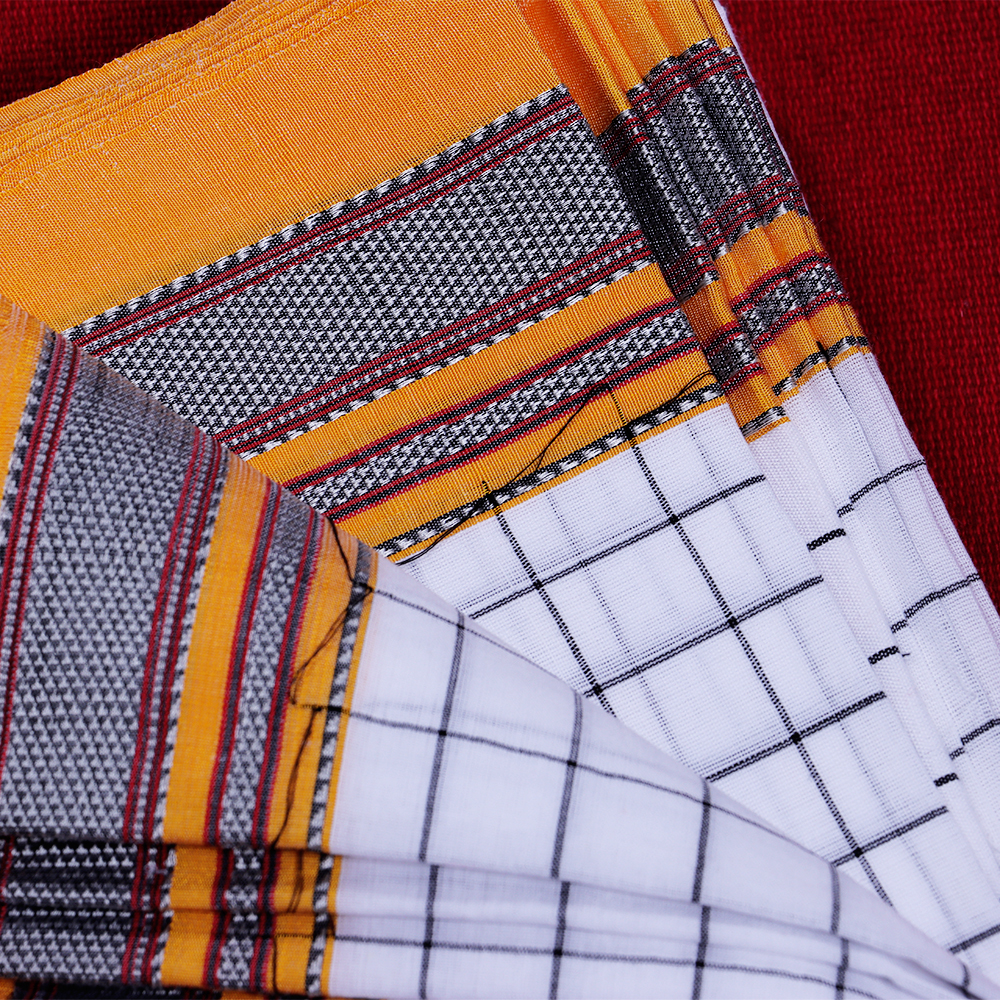
Ilkal sarees, originating from the town of Ilkal in Bagalkot district, Karnataka, are a testament to India’s rich textile heritage. Renowned for their distinctive weaving techniques and vibrant designs, these sarees have been a part of traditional attire for generations. Their unique blend of cotton bodies and silk borders, coupled with the iconic Tope-Teni (temple border) technique, sets them apart in the world of handloom sarees.
1. Traditional Ilkal Saree
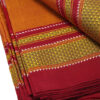
The traditional Ilkal saree features a cotton body with silk borders and pallu. The pallu is often adorned with intricate motifs like temple towers, elephants, and peacocks, woven using the Tope-Teni technique. The borders are typically in red or maroon, with designs such as Gomi, Paraspet, Gaadi, and Jari, each holding cultural significance.
2. Cotton Ilkal Saree
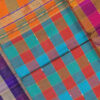
In recent times, there has been a shift towards 100% cotton Ilkal sarees. These sarees are lighter and more breathable, making them suitable for daily wear. Collaborations with weavers from regions like Bhujodi have introduced innovative designs and colors, while still maintaining the traditional weaving techniques.
3. Silk Ilkal Saree
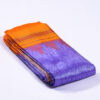
For special occasions, silk Ilkal sarees are preferred. These sarees are heavier and more luxurious, with rich colors and intricate designs. The silk used is of high quality, and the sarees often feature gold or silver zari work, adding to their grandeur.
4. Kasuti Embroidered Ilkal Saree
Kasuti is a traditional form of hand embroidery from Karnataka, and its incorporation into Ilkal sarees adds a unique touch. Motifs like palanquins, elephants, and lotuses are intricately embroidered onto the saree, enhancing its aesthetic appeal.
5. Modern Ilkal Saree
With changing fashion trends, modern Ilkal sarees have emerged. These sarees blend traditional weaving techniques with contemporary designs and colors. While they retain the essence of Ilkal sarees, they cater to the tastes of the modern woman.
Conclusion
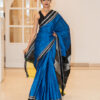
Ilkal sarees, with their rich history and intricate designs, continue to be a symbol of Karnataka’s cultural heritage. Whether it’s the traditional silk saree for weddings or the modern cotton saree for daily wear, Ilkal sarees offer a blend of tradition and elegance. Embracing these sarees means preserving a piece of history while celebrating the artistry of handloom weaving.
Free shipping
on Orders Over ₹2000Secure Payment
100% risk-free shoppingSpecial Campaigns
Guaranteed SavingCustomer Service
Give us feedbackAbout Styler
At ILKAL’S PRIDE, you will witness the legacy of manufacturing the famous Ilkal sarees from generations to generations.
Quick Links
- tel: +91-9108142048
- -
- e-mail: info@ilkalpride.com
- Designed By Digisnare Technologies.