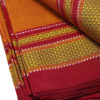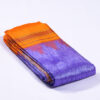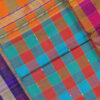

From Ilkal to the World
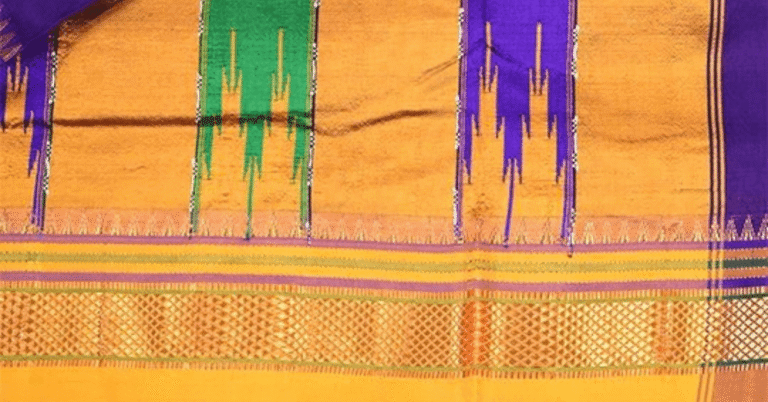
A saree woven in a small Karnataka town can end up in a living room in Bengaluru, a wedding in Mumbai or a festival celebration overseas. That is exactly the journey the Ilkal saree has made. It began on pit looms in the Bagalkot district, and today it is worn by women who may never have visited the town where it was born.
How did a regional handloom travel so far? This article follows the path of the Ilkal saree from the valley to the wider world, looking at the recognition that helped it, the people who carried it, and the digital shift that has made it easier than ever to own one. If you are ready to see the result of that journey, you can explore Ilkal sarees at Ilkal Pride at any point.
It Started in a Valley
Ilkal sits in the south-eastern corner of Bagalkot district in North Karnataka. Weaving here is traditionally believed to go back to the 8th century, and a nineteenth-century gazetteer recorded 684 looms in the town in 1883. For much of its history, the saree was a local product for local occasions, made by weaving families and worn by women of the surrounding region during festivals, weddings and everyday life.
Its early reputation grew by word of mouth. A saree that lasted, felt comfortable in the heat and carried a striking red pallu naturally became something people recommended to relatives and friends. That trust laid the foundation for everything that followed. Long before websites or advertising, reputation travelled through families, and the Ilkal earned its place the slow way, by being worn and remembered.
Growing Beyond the Town
As demand increased, weaving spread from Ilkal itself to nearby centres. Today, Ilkal sarees are associated with roughly twenty-five weaving centres across four districts of Karnataka. Weavers, traders and cooperatives helped bring the sarees to markets in larger towns and cities, where they gained new admirers.
Migration played a part too. As Kannada families moved to cities for work and education, they took their saree traditions with them. A daughter who left for Bengaluru or Hyderabad carried her mother’s Ilkal along, and often came back wanting more. In this way, the saree travelled quietly, one household at a time.
Recognition That Opened Doors
Some of the biggest steps in the Ilkal journey came from formal recognition. The saree carries a Geographical Indication (GI) tag, which acknowledges that its distinctive qualities come from a specific place and traditional method. For buyers far from Karnataka, a GI tag is a useful signal that the product is the real thing.
Government initiatives to promote handloom, including the India Handloom Brand and the annual National Handloom Day on 7 August, have also brought fresh attention to weaves like Ilkal. Each campaign reminds buyers that handloom is not just heritage. It is livelihood, sustainability and skill. That message has helped younger, urban audiences look at traditional weaves with new respect.
Ilkal in the Kannada Diaspora
Wherever Kannadigas settle, their festivals follow, and festivals call for sarees. Ugadi, Dasara, weddings and cultural gatherings are moments when a red-pallu Ilkal feels perfectly at home, even thousands of kilometres from Bagalkot. For many in the diaspora, wearing an Ilkal is a way to feel connected to their roots.
The saree also works as a gift. Because it is lightweight, easy to pack and instantly recognisable, an Ilkal makes a thoughtful present for relatives abroad or friends who appreciate authentic craft. It says something about the giver’s taste, and about a culture worth sharing.
Ilkal Meets Modern Style
Handloom has found a new audience among women who want sarees they can wear without fuss. The Ilkal fits that need well. Its cotton or art silk body is breathable, its border adds structure and its pallu adds drama. Styling has evolved accordingly:
- Pair a classic red-pallu Ilkal with a contrasting or plain blouse for a clean traditional look.
- Try a sleeveless or high-neck blouse for a contemporary take at parties and receptions.
- Use minimal jewellery, such as silver or oxidised pieces, to let the border and pallu stand out.
- Choose lighter body shades for office wear and richer pallu colours for festivals.
These small choices show that a traditional handloom does not need to feel old-fashioned. It simply needs to be worn with confidence, and its craftsmanship gives you plenty to be confident about. Many wearers find that an Ilkal photographs beautifully too, because its saturated borders and crisp pallu patterns stand out in any setting.
The Digital Turn
The most recent chapter of the journey is happening on screens. Online shopping has removed the distance between the weaver’s region and the buyer’s doorstep. A shopper in Delhi, Chennai or another country can now look at Ilkal sarees in detail, compare borders and pallus, and place an order without travelling to Karnataka.
That convenience comes with a responsibility to buy well. Photographs can hide as much as they show, so it helps to buy from a seller who focuses on Ilkal specifically and is open about the weave. At Ilkal Pride, the focus is on celebrating Ilkal sarees and helping buyers understand what they are choosing. If you are shopping online for the first time, our guide on what to check before buying an Ilkal saree online is a helpful companion.
Challenges Along the Way
No journey is smooth, and Ilkal’s has obstacles. Power-loom imitations can copy the look of a border or pallu at a much lower price, which puts pressure on genuine weavers. Rising costs of yarn and dyes squeeze margins. And attracting young people to a demanding craft is a constant concern.
The most powerful answer to these challenges is informed buying. When customers learn to identify a genuine Tope Teni join, look for GI and handloom credentials and value the days of work in each saree, they create demand for the real thing. Weavers benefit, and so does the craft.
How You Can Be Part of the Journey
You do not need to be a textile expert to support Ilkal. A few simple steps go a long way:
- Buy authentic handloom from sellers who are transparent about the weave.
- Learn the signs of a genuine Ilkal, such as the looped join and broad border.
- Wear your saree often, because a handloom that is worn is a handloom that is valued.
- Share the story with friends, family and colleagues.
Each of these actions extends the journey a little further, from the loom to the wearer and from one generation to the next. Small choices, repeated by many buyers, are what keep a heritage craft economically alive.
A Journey Still Under Way
The Ilkal saree has travelled from a valley town to the world without leaving its identity behind. It still carries its Tope Teni join, its temple motifs and its unmistakable colours, and it still depends on the skilled hands that create it. Its story shows that a craft rooted in one place can belong to everyone who values it.
The next stage of the journey is yours. Visit Ilkal Pride to find an Ilkal saree that suits your style, and take a piece of Karnataka wherever you go.
Free shipping
on Orders Over ₹2000Secure Payment
100% risk-free shoppingSpecial Campaigns
Guaranteed SavingCustomer Service
Give us feedbackAbout Styler
At ILKAL’S PRIDE, you will witness the legacy of manufacturing the famous Ilkal sarees from generations to generations.
Quick Links
- tel: +91-9108142048
- -
- e-mail: info@ilkalpride.com
- Designed By Digisnare Technologies.